
AI Shopping Agents: Access, Incentives, and the Reliability Gap
What Visa's shopping benchmark reveals about reliability, and how shoppers and brands can make AI-assisted decisions easier to verify.
An AI shopping agent can find a plausible product and still make a poor buying decision. It might overlook a compatibility requirement, misunderstand a budget, or recommend an option before asking the question that changes everything.
That is why the next stage of shopping agents deserves a more demanding question: can a shopper inspect the evidence behind the recommendation?
What the Visa benchmark actually measured
On November 5, 2026, Visa published a benchmark involving 22 AI models from 12 labs across 15 shopping scenarios. Its reported pass rate was 57.2%, with 42.8% of runs failing. The tasks assessed whether models could uncover a shopper's needs and make an appropriate decision, including declining to buy when nothing fit. Read Visa's original announcement. (https://investor.visa.com/news/news-details/2026/Visa-Releases-First-of-Its-Kind-Industry-Benchmark-for-AI-Shopping-Almost-Half-of-Test-Runs-Fail/default.aspx)
Those figures do not measure the percentage of browser clicks that broke. They also do not establish that web scraping caused the failures. Treating a decision benchmark as a browser-reliability test hides the more useful lesson: understanding requirements is part of the shopping task.
Access and incentives are separate questions
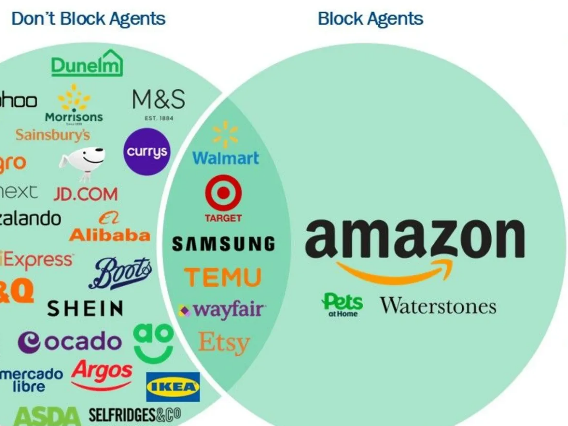
An assistant needs a permitted way to obtain product information. A merchant API, structured feed, and browser interface offer different coverage and operational tradeoffs. None makes the resulting recommendation correct by itself.
The shopper also needs to understand why a product appeared. Paid placement, affiliate compensation, inventory restrictions, and incomplete source coverage can affect a recommendation. Clear disclosure helps a reader evaluate those influences; it does not make every sponsored option unsuitable or every unsponsored option reliable.
A more useful comparison
Consider a shopper looking for a cordless vacuum under $250. This is an illustrative request, not a GenPark test result. Before ranking products, a useful assistant should clarify floor type, pet hair, storage space, replacement-part costs, and whether the budget includes accessories.
• Separate requirements that exclude a product from preferences that merely change its ranking. • Link important specifications to the exact model and variant. • Identify unanswered questions instead of guessing. • Leave final price, availability, and purchase authorization visible to the shopper.
Where GenPark fits
GenPark Personal Agent focuses on product research and comparison. Bring a need, budget, and constraints, then examine the shortlist and the supporting sources. A clear answer should explain fit and uncertainty together.
For brands, the practical response is to publish precise product information and accessible policies. Structured data can help systems interpret those facts, but it cannot promise inclusion in an AI answer.
Frequently asked questions
Did Visa report a 57% failure rate?
No. It reported a 57.2% pass rate and a 42.8% failure rate for its tested scenarios.
Does better product data eliminate shopping errors?
No. The assistant must still understand the request, compare the right variants, and recognize when the available evidence is insufficient.
Can I rely on a recommendation without checking the seller?
Confirm the final model, total cost, delivery terms, and return policy with the seller before purchasing.